Recently, we’ve seen US single-family housing starts hit their highest level in five months—a strong signal that more new-home purchase opportunities are on the horizon. At the same time, single-family permits dipped, meaning builders are moving ahead with construction faster than they’re lining up new projects. Finished single-family homes also declined, keeping the supply of move-in-ready properties on the tighter side, while multifamily starts dropped off significantly. Builders are responding with more incentives and, in some cases, price adjustments. For buyers, that means there’s more to consider—and that understanding your financing options is even more critical. Right now, the sweet spot is with homes already in the construction pipeline; weighing builder incentives against independent loan options can make a real difference. With my background in guiding clients through a range of home loan choices—including those with unique credit situations—I’m always focused on helping you navigate these shifting opportunities.
Category: Latest Posts
-
Mortgage Rates Demand a 12-Month Plan | Schedule a meeting today! https://calendar.app.google/DxNYdmSBXLTQXraFA
Mortgage rates can shift quickly—sometimes by a full percentage point over the course of a year—which is why I always encourage clients to focus on what feels comfortable for their monthly payment, not on chasing the perfect rate. Over a 12-month home search, rates moving just one point can swing your buying power by more than $60,000. For example, with a $2,000 monthly budget, you’d be looking at about $334,000 in buying power at 6%, but only around $273,000 at 8%. Flexibility is key to keeping homeownership within reach. If your search is shorter—say, 3 or 6 months—it’s still important to plan for potential movement, even if it’s just half or three-quarters of a point. Before you make an offer, compare several payment scenarios, consider options like buydowns or seller concessions, lower any outstanding debts, and build up your savings where you can. My goal at TAAG Mortgage is to make sure every client—from first-time buyers to those with credit challenges—has a clear, adaptable plan for success.
-
Three Ways to Keep Mortgage Payments Current | Schedule a meeting today! https://calendar.app.google/DxNYdmSBXLTQXraFA
In my years helping clients navigate their home loans—whether they’re first-timers or seasoned homeowners—one challenge I see again and again is keeping mortgage payments on track, especially with so many juggling credit card debt. A recent lender study found that 51% of US homeowners carry credit card balances each month, and 67% feel overwhelmed. It’s no surprise mortgage budgeting is front and center for so many right now.
Even though 89% of homeowners say they feel confident about their mortgage, only 48% actually feel financially in control. And with serious mortgage delinquencies rising for four straight quarters, it’s clear how important it is to stay proactive.
Here’s my advice: Start by getting a clear picture of your monthly cash flow—separate out your true needs from areas where you can temporarily cut back, and be honest about any budget gaps. Protecting your mortgage payment should be priority one before a small shortfall turns into a bigger problem.
If you ever sense that a hardship could disrupt your payments, don’t wait to reach out to your mortgage servicer. Options like repayment plans, forbearance, or loan modifications might be available. And if you’re considering consolidating credit card balances using your home equity, make sure you have a stable income and a realistic repayment plan. If your financial hardship isn’t just temporary, sometimes an early voluntary sale is the best way to protect your hard-earned equity.
Having worked with clients from every background, I know that every situation is unique—but the most important step is always staying informed and addressing concerns before they grow.
-
Honoring the Significance of Indigenous Day | Schedule a meeting today! https://calendar.app.google/DxNYdmSBXLTQXraFA
Indigenous Peoples’ Day celebrates, recognizes, and honors the beautiful traditions and cultures of the Indigenous People
We take a stand for and support the indigenous people on this day.
We should also offer our support to those who invest and uplift the indigenous communities. -
FHA vs. conventional loans: Which is better for you?
Navigating the choice between FHA and conventional loans often comes down to your credit profile and long-term goals. FHA loans can be a lifeline for buyers with credit scores as low as 500 and offer a 3.5% minimum down payment, though they do require mortgage insurance for the entire loan term. On the other hand, conventional loans typically call for a 3–5% down payment, a minimum 620 credit score, and mortgage insurance that you can eventually cancel. Over the years I've helped a diverse range of clients—whether you're just starting out, rebuilding credit, or have a stronger financial background—find the right fit for their situation. Understanding these options can open the door to homeownership, even if your credit isn't perfect.
Continue to full article -
Mortgage preapproval vs. prequalification: Which should you choose?
I’m often asked about the difference between mortgage prequalification and preapproval—two steps that can really shape your home financing journey. Prequalification is a quick estimate of your borrowing power, based on the information you provide, but it doesn’t include a credit check or document verification. Preapproval, on the other hand, goes a step further: it requires verified documentation and a hard credit check, offering you a conditional loan commitment (though it’s not a final guarantee). In my experience working with everyone from first-time buyers to seasoned investors here in Arkansas, understanding these distinctions can put you in a stronger position when you’re ready to make an offer. My role at TAAG Mortgage is all about helping you navigate these options—so you can move forward with confidence, no matter your credit situation.
Continue to full article -
How mortgage preapproval works and why it matters before buying a home
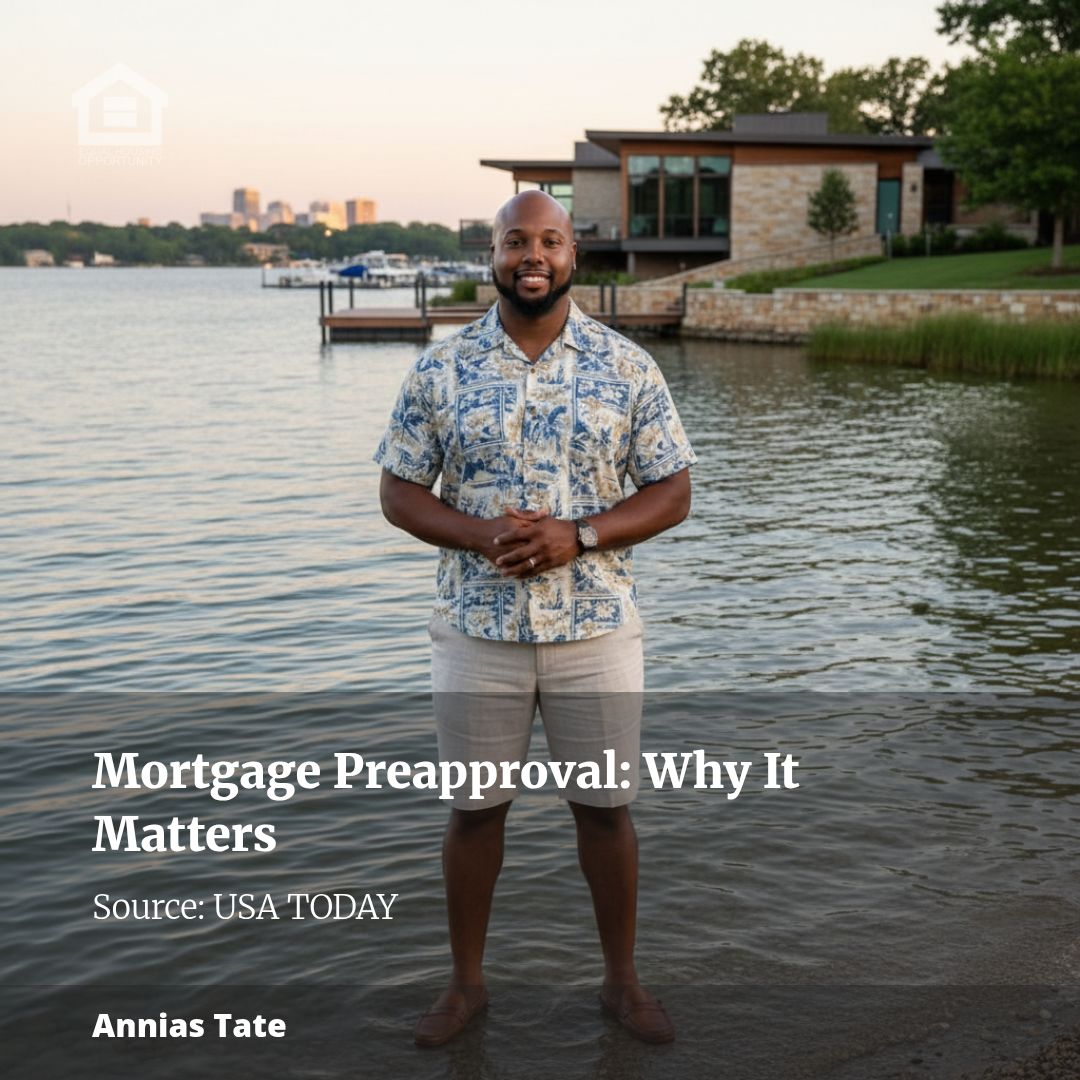
Before you start house hunting, it's essential to understand how mortgage preapproval works—and why it can make a real difference in your path to homeownership. Preapproval shows exactly how much you qualify to borrow, based on a review of your credit, income, debt, and assets. It’s more than just a number: it gives you a stronger position when making an offer, helps streamline the buying process, and typically remains valid for 30 to 60 days. Keep in mind, you’ll need to provide documentation and go through a hard credit check, and while preapproval is a great step forward, it’s not a final loan guarantee. Having helped clients across the spectrum—from first-time buyers to those with complex financial backgrounds—I’ve seen how being prepared with a preapproval can make all the difference when the right home comes along.
Continue to full article -
3 Tips for a Lower Mortgage Rate | Schedule a meeting today! https://calendar.app.google/DxNYdmSBXLTQXraFA
Navigating today's mortgage market takes more than just waiting for rates to drop. With 30-year fixed rates still hovering in the high-6% range through much of 2026, I often help clients explore smarter options tailored to their needs. One approach worth considering is a 7/6 ARM, which can offer a lower introductory rate for seven years before adjusting every six months—just be sure to understand all the terms before proceeding. Don’t underestimate the power of comparison shopping: getting just one extra quote could save you around $1,500, while multiple quotes might save you close to $3,000 over the life of your loan. In a market where some homes are sitting longer, there’s also room for negotiation—buyers may be able to ask for seller credits to fund temporary buydowns, easing initial payment pressure. And remember, moving your cash or accounts might unlock relationship pricing with some lenders, so it’s always worth asking. My focus is always on helping you understand your options, no matter your financial background or credit history.
-
One Mortgage Question Could Save $23.8K | Schedule a meeting today! https://calendar.app.google/DxNYdmSBXLTQXraFA
It’s surprising how much one smart mortgage question can impact your financial future—especially for homeowners 55 and up. A look at 3.2 million 2025 mortgages found that borrowers in this age group who refinanced often ended up with rates about 1 percentage point higher than what was available for similar profiles. That difference translates to nearly $2,400 more paid each year, or around $19,000 over an eight-year period. In fact, over 80% of older refinancers were in loans that cost more than necessary. For someone with a $197,000 balance, that’s a monthly payment difference of $135 between a competitive low-7% refinance and a rate closer to 8%. The main culprits? Convenience, sticking with the familiar, and feeling rushed by things like cold calls or offers to skip a payment. My experience—especially working with clients navigating these exact pressures—has shown how important it is to slow down and compare options. The best advice: gather at least three Loan Estimates, look closely at APR and origination fees, review your Closing Disclosure carefully, and remember the three-day rescission right if you need it. Taking these steps can protect your pocketbook and your peace of mind.
-
USA Mortgage Quotes Need More Than One Offer | Schedule a meeting today! https://calendar.app.google/DxNYdmSBXLTQXraFA
When it comes to buying a home, the mortgage quote you receive can have a bigger impact on your long-term finances than even the listing price—especially now, with U.S. median home prices recently hitting a record $440.6K. For example, on a $450K loan, securing a quote in the low-6% range rather than the low-7% range could mean saving about $298 each month and close to $107,000 over the life of a 30-year loan. That’s a difference worth pursuing. I’ve seen firsthand that clients who gather five or more mortgage offers tend to save more than those who accept the first quote they receive. It's important to remember that a mortgage quote is just a starting point—the real, binding numbers come with the official Loan Estimate, which is issued after your application and regulated for your protection. The smartest approach is to compare at least three offers, looking closely at the APR, origination costs, and the full monthly payment before deciding to waive any contingencies. I’m committed to making sure borrowers—whether you’re a first-time homebuyer or navigating credit challenges—understand these details and make informed decisions about their financing.